יום שישי, 27 במרץ 2015


On Mount Carmel / Esther Raab

Like watermelons in a patch rest
lights in the basin;
Between sea and sky a climbing star;
Dead ships cling
to the oil of the bay; 
And a being-effacing celestial wonder
roars in the silence on faraway peaks, 
from horizon to horizon its echo rolls, 
and my spirit — dust to its wheels,
ascend or descend? 
I have but one thing 
to cry out: 
Come, beloved, 
and frustrate infinite longing — — — 

(1928)


***

על הכרמל  / אסתר ראב

כאבטיחים במקשה ישליו
אורות בשָפל;
בין ים לשמים כוכב מטפס;
אניות מתות תצמדנה
אל שֶמן המפרץ;
ותמהון רקיע מוחק-ישות
ישאג בדממה על רכסים רחוקים, 
מאפק אל אפק יתגלגל הֵדו, 
ורוחי — אבק לגלגיליו, 
עלות או רדת?
רק עוד אחת לי
קרוא בקול: 
בואה, האהוב, 
והכזב געגועי אין-סוף — — —  

יום שני, 15 בדצמבר 2014

Mother tongue / שפת אם

מתנה לאמא שלי, שהקנתה לי, בין היתר הרב, את האהבה לשירה, ליום הולדתה השבעים. בשבילי, היא תמיד הדוברת בשיר הזה, האהוב עלי בשירי רחל, ותמיד דוברת אלי. בוקר אור, אמא. 

A present for my mother, who gave me, among many other things, my love of poetry, for her seventieth birthday. For me, she is always the speaker in this poem, my favorite by Rachel, and always speaking to me. 

Edward Hopper, Rooms by the Sea (1951)

Miniature Joys / Rachel 

Miniature joys, small lizard-tails of delight:
The sea, of a sudden, emerging between urban walls,
The glass in the window at sunset glistening bright --
A blessing in all!

A blessing in all, and all has a comforting ring,
In all are mysterious signs, and all is inclined
To weave lovely corals of words in a rhyme on its string,
As fancy will find.


שְׂשׂוֹנוֹת זְעִירִים / רחל

שְׂשׂוֹנוֹת זְעִירִים, שְׂמָחוֹת כִּזְנַב-לְטָאָה:
הַיָּם לְפִתְאֹם בֵּין שְׁנֵי בִּנְיָנִים בַּכְּרָךְ,
זְכוּכִית הַחַלּוֹן נוֹצֶצֶת בְּשֶׁמֶשׁ שׁוֹקְעָה –
הַכֹּל מְבֹרָךְ!

הַכֹּל מְבֹרָךְ, לַכֹּל נְגִינַת נֶחָמוֹת,
בַּכֹּל רְמָזִים טְמִירִים, וְהַכֹּל יִסְכֹּן
לַחֲרֹז עַל חוּטָיו אַלְמֻגֵּי הַמִּלִּים הַנָּאווֹת.
כְּיַד הַדִּמְיוֹן.

יום חמישי, 2 באוקטובר 2014

כמה יפה קמל הלילך

לכבוד יום הולדתו של וולאס סטיבנס. 

In celebration of Wallace Stevens' birthday.

Romare Bearden - Carolina Morning (1974)

בקרוֹלָיינות / וולאס סטיבנס

הלילך קמֵל בקרוליינות.
הפרפרים  כבר מרפרפים מעל לבקתות. 
התינוקות שאך נולדו כבר מפרשים אהבה
בקולותיהן של אמהות. 

אם נצחית, 
כיצד זה פטמותיך הקרושות בארס 
נוטפות הפעם דבש?

עץ האורן ממתיק את גופי
האיריס הלבן מייפה אותי. 

In the Carolinas / Wallace Stevens

The lilacs wither in the Carolinas. 
Already the butterflies flutter above the cabins. 
Already the new-born children interpret love
In the voices of mothers. 

Timeless mother, 
How is it that your aspic nipples
For once vent honey?

The pine tree sweetens my body
The white iris beautifies me. 

יום ראשון, 24 באוגוסט 2014

Time takes a cigarette

The first poem in Lea Goldberg's Hebrew debut, Smoke Rings, which came out in 1935, the year she arrived in mandatory Palestine.

Donald Sultan, Smoke rings June 6, 2001 (2001)


Smoke rings / Lea Goldberg

Shadows of rings of smoke on the wall
Fly towards curtains of grace. 
The clock looks at me not recognizing at all
My very much quieted face.

Clock-hand eyebrows, raised and perplexed
Ask: "Is it you? is it you?
With blunted teeth, did you not expect
On the sorrow of morrow to chew?"

This peace at my feet like a cat in a sprawl
Came to me by mistake and slept tight,
And its shadow is smiling at me from my wall
From the height of those smoke rings in flight.


טַבְּעוֹת עָשָׁן / לאה גולדברג

צֵל טַבְּעוֹת-הֶעָשָׁן עַל הַקִּיר
עָף אֶל עֶדְנַת וִילָאוֹת.
הַשָּׁעוֹן מִסְתַּכֵּל בִּי וְאֵינֶנּוּ מַכִּיר
אֶת פָּנַי שֶׁשָּׁקְטוּ מְאֹד.

גַּבּוֹת מְחוֹגִים מוּרָמוֹת וּתְמֵהוֹת
שׁוֹאֲלוֹת: "הַאַתְּ הִיא? הַאַתְּ?
הַאִם לֹא רָצִית בְּשִׁנַּיִם קֵהוֹת
לְכַרְסֵם יְגוֹן-מָחֳרָת?"

שֶׁקֶט זֶה הָרוֹבֵץ כְּחָתוּל לְרַגְלַי,
בָּא אֵלַי בְּטָעוּת וַיִּישָׁן,
וְצִלּוֹ מְחַיֵּךְ לִי מֵאַרְבַּעַת כְּתָלַי
מִמְּעוּף טַבְּעוֹת הֶעָשָׁן.

יום חמישי, 10 ביולי 2014

לבּרָזאילוּ

שיר שלישי של ארנסט יאנדל, שיר דו-לשוני, או ליתר דיוק שיר טראנס-לשוני, שהוא גם מצחיק, גם מרתק לשונית, גם פותח אופקים אוטופיסטיים (רלוונטיים מאוד), וכמובן מרעיד את אמות הסיפין של מושג התרגום. 


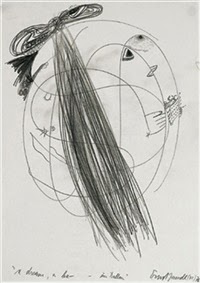
Third poem by Ernst Jandl, a bilingual, or more precisely trans-lingual poem, which is funny, linguistically fascinating, opens up (very relevant) utopian horizons, and of course shakes the foundations of the concept of translation. 


Ernst Jandl - A dream, a ha - ein balkon (1975-6)

קליפסו / ארנסט יאנדל

עוד נוֹ ווֹזתי
בברזיל יֵט
לברזיל יֵט
אני וודלייקתי  גוֹ 

שם הוִוימן 
אָזֵרוֹת כה
אָזֵרוֹת כה דֵי
מאיפה לא
עוד נו ווזתי
בברזיל יט
לברזיל יט
לוּ יָקוֹנתי גוֹ

כמו שאַנְדַרסְטֶן
לי את הלנגויץ׳
אֵאַנדַרסטֵן 
גם לנגויץ׳ בריוֹוֹ

עוד נו ווזתי
בברזיל יט
לברזיל יט

אני וודלייקתי  גוֹ 

מתי שסֶנְדִים
מי אַקרוֹס ליָם
וואי מי נוט סֶנדִים גם

אני וודלייקתי  גוֹ

יֶס יֶס יֵסֶנדִים
מי אקרוס לים
שם יֵט עוד נו ווזתי 
מֵת לְגו לשם. 

עוד נוט ווזתי
בברזיל יט
יֶס לברזיל יט

אני וודלייקתי  גוֹ 

*** 
calypso / ernst jandl 

ich was not yet
in brasilien
nach brasilien
wulld ich laik du go

wer de wimen
arr so ander
so quait ander
denn anderwo

ich was not yet
in brasilien
nach brasilien
wulld ich laik du go

als ich anderschdehn
mange lanquidsch
will ich anderschdehn
auch lanquidsch in rioo

ich was not yet
in brasilien
nach brasilien
wulld ich laik du go

wenn de senden
mi across de meer
wai mi not senden wer
ich wulld laik du go

yes yes de senden
mi across de meer
wer ich was not yet
ich laik du go sehr

ich was not yet
in brasilien
yes nach brasilien
wulld ich laik du go

יום ראשון, 29 ביוני 2014

שיר דִי כלום

עוד שיר של יאנדל, מתוך הספר für alle.

הרבה מהשירים של יאנדל אמורים להקרא בקול, ולמרבה המזל קיימת הקראה מרגשת של השיר על ידי  פאלקו, הזמר והמשורר האוסטרי. הווידאו בתחתית הפוסט.


Another Jandl poem, from his book für alle. 

Many of Jandl's poems are meant to be read out loud, and fortunately for all there is a moving reading of this poem by the great Austrian singer and poet Falco. The video is at the bottom of the post. 

ernst jandl and friederike mayröcker


משפט דקלום / ארנסט יאנדל

באמת
יום יפה
באמת
נעים כזה


באמת
יום יפה
באמת
נעים כזה


באמת
יום יפה
באמת
נעים כזה


באמת
יום יפה
באמת
נעים כזה


באמת
שום דבר מיוחד
שום דבר מיוחד
באמת שום דבר

באמת שום דבר
שום דבר מיוחד
שום דבר מיוחד
באמת שום דבר

באמת
שום דבר מיוחד
שום דבר מיוחד
באמת שום דבר

באמת שום דבר
שום דבר מיוחד
שום דבר מיוחד
באמת שום דבר


באמת
יום יפה
באמת
נעים כזה

באמת
שום דבר מיוחד
שום דבר מיוחד
באמת שום דבר

באמת שום דבר
שום דבר מיוחד
שום דבר מיוחד
באמת שום דבר

באמת
יום יפה
שום דבר מיוחד
באמת שום דבר


עכשיו
האחרונים
אינם

רק
אנחנו

עכשיו
האחרון
איננו

רק
אני

vorsagesatz / ernst jandl

eigentlich 
ein schöner tag
eigentlich
recht entspannt

eigentlich 
ein schöner tag
eigentlich
recht entspannt

eigentlich 
ein schöner tag
eigentlich
recht entspannt

eigentlich 
ein schöner tag
eigentlich
recht entspannt


eigentlich
nichts besonderes
nichts besonderes 
eigentlich nichts

eigentlich nichts
nichts besonderes
nichts besonderes 
eigentlich nichts

eigentlich
nichts besonderes
nichts besonderes 
eigentlich nichts

eigentlich nichts
nichts besonderes
nichts besonderes 
eigentlich nichts


eigentlich 
ein schöner tag
eigentlich
recht entspannt

eigentlich
nichts besonderes
nichts besonderes 
eigentlich nichts

eigentlich nichts
nichts besonderes
nichts besonderes 
eigentlich nichts

eigentlich 
ein schöner tag
nichts besonderes 
eigentlich nichts


nun
sind die letzten 
weg

nur 
wir

nun 
ist der letzte 
weg

nur 
ich


*

פאלקו זצ״ל מוכר לקהל העברי ולרוב העולם בעיקר כמי ששר, בין היתר, את ״אמדאוס אמדאוס״ ו-״ויֶינָה קוֹלינג״. ההקראה הזו היא מתוך ערב שירה גרמנית אקספרימנטלית בו השתתף, ושאפשר לראות פה

Falco is known to the Israeli readership, as to most of the world, mainly as the singer of 80s hits like "Amadeus, Amadeus" and "Vienna Calling". This reading is from an evening of experimental German poetry he participated in and which can be watched here


ותודה לניצן שושן ולחמוטל כוכבי (שטרנגסט) על העזרה. 

יום רביעי, 11 ביוני 2014

שיר של המשורר האוסטרי ארנסט יאנדל, מתוך ספרו Laut und Luise. השיר הזה מופיע גם כפרולוג למחזה Kaspar של פטר הנדקה, ושם נתקלתי בו לראשונה.

כאן אפשר לשמוע את יאנדל מקריא את השיר בגרמנית. 

A poem by Ernst Jandl from Laut und Luise. The poem also appears as a prologue to Peter Handke's play Kaspar, which is where I first saw it. 

Here is a recording of Jandl reading the poem in German. 

Norbert Bisky, Nachbild II (2010)

16 שנה / ארנסט יאנדל

שֵשֵתְ'רה שנה
ת'וּדאוֹתְ'דבָּנְהוֹף
שֵשת'רה שנה
אָת' מה
הוא יעתֵ'ה
ת'וּדאוֹתְ'דבָּנְהוֹף 
שֵשת'רה שנה
אָת' מה
אָת' מה
הבָּחור
אָת' מה
הוא יעתֵ'ה
שֵשת'רה שנה
ת'וּדאוֹתְ'דבָּנְהוֹף
אָת' מה
אָת' מה
הוא יעתֵ'ה
הבחור
עם השֵשת'רה
שנה שלו.

16 jahr / ernst jandl
  
thechdthen jahr 
thüdothdbahnhof 
thechdthen jahr 
wath tholl 
der machen 
thüdothdbahnhof 
thechthen jahr 
wath tholl 
wath tholl 
der bursch 
wath tholl 
der machen 
wath tholl 
wath tholl 
der machen 
thechdthen jahr 
thüdosthdbahnhof 
wath tholl 
der machen 
der bursch 
mit theine 
thechdthen jahr